


Exploring Healing Sound Techniques: The Five Healing Sounds Explained

Healing through sound is a gentle journey. It invites us to slow down, breathe deeply, and listen with care. I have found that sound can be a powerful companion on the path to balance and peace. Today, I want to share with you the beauty of healing sound techniques and how they can support your well-being.
When we speak of healing sound techniques, we often think of vibrations that soothe the body and mind. These sounds can help release tension, calm emotions, and restore harmony within. One of the most profound methods involves the use of specific sounds connected to our organs and emotions. This is where the five healing sounds come into play. They are simple yet deeply effective tools for self-care.
Understanding Healing Sound Techniques
Healing sound techniques are practices that use vocal sounds, tones, or music to promote health and relaxation. These techniques have roots in ancient traditions, including Chinese medicine and Taoist philosophy. The idea is that each organ in our body resonates with a particular sound. When we make these sounds, we can help clear blockages and encourage energy flow.
For example, the liver is associated with the sound "Shhh," which can help release anger and frustration. The lungs respond to the sound "Ssss," aiding in letting go of grief. By gently making these sounds, you invite your body to heal itself. It is a practice of kindness and patience.
You do not need any special equipment or skills to begin. All you need is your voice and a quiet space. You can practice these sounds sitting comfortably or lying down. The key is to breathe slowly and focus on the sound you are creating. Let it flow naturally without forcing it.

The Five Healing Sounds and Their Benefits
The five healing sounds correspond to the five elements in traditional Chinese medicine: Wood, Fire, Earth, Metal, and Water. Each element relates to specific organs and emotions. When you use these sounds, you help balance these energies within yourself.
Here is a simple guide to the five healing sounds:
Wood - Liver - Sound: "Shhh"
This sound helps release anger and frustration. It supports the liver and gallbladder, encouraging smooth energy flow.
Fire - Heart - Sound: "Haaa"
The heart benefits from this sound, which calms excitement and restlessness. It nurtures joy and love.
Earth - Spleen - Sound: "Whoo"
This sound aids digestion and helps ease worry or overthinking. It strengthens the spleen and stomach.
Metal - Lung - Sound: "Ssss"
The lungs respond to this sound by releasing grief and sadness. It promotes clarity and calm breathing.
Water - Kidney - Sound: "Choo"
This sound supports the kidneys and bladder. It helps reduce fear and builds courage.
When you practice these sounds, you may notice a gentle warmth or tingling in your body. This is a sign that energy is moving and healing is taking place. You can repeat each sound several times, allowing yourself to relax deeper with each breath.
What Types of Sound Healing Are There?
Sound healing is a broad field with many approaches. Besides the five healing sounds, you might explore other techniques that resonate with you. Here are some common types:
Toning and Chanting
Using your voice to create sustained sounds or mantras. This can be done alone or in groups.
Tibetan Singing Bowls
These bowls produce rich, harmonic tones when struck or rubbed. They are often used in meditation and relaxation.
Tuning Forks
These metal forks emit specific frequencies that can be applied to the body to balance energy.
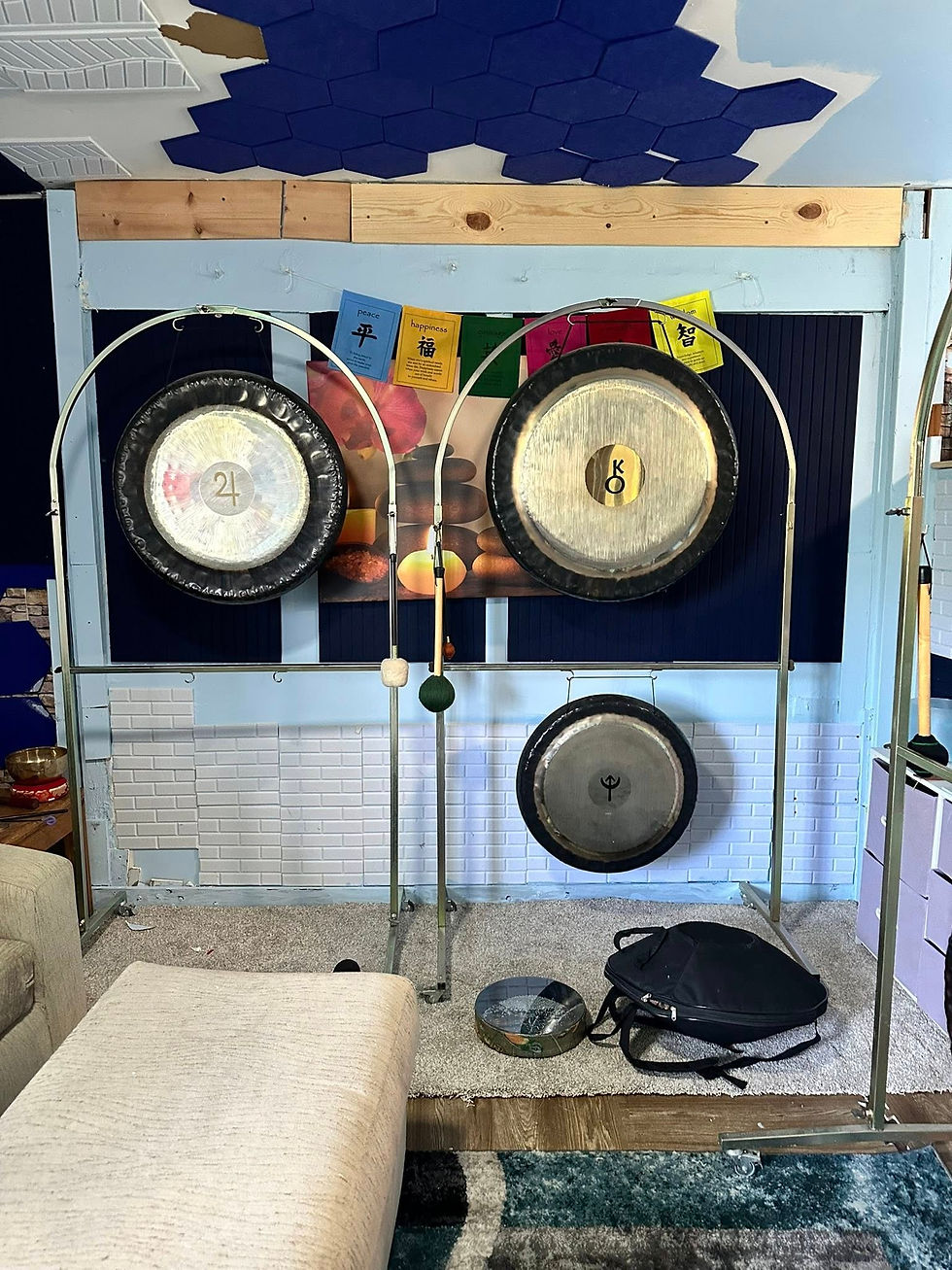
Gong Baths
Immersive sound experiences where gongs create waves of vibration that wash over you.
Binaural Beats and Soundscapes
Audio tracks designed to influence brainwaves and promote relaxation or focus.
Each method offers a unique way to connect with sound and its healing potential. You might find that combining different techniques brings the most benefit. The important thing is to listen to your body and choose what feels right.

How to Practice Healing Sound Techniques at Home
Starting your own healing sound practice can be simple and rewarding. Here are some steps to guide you:
Create a Quiet Space
Find a calm spot where you won’t be disturbed. You might light a candle or use soft lighting.
Set an Intention
Think about what you want to invite into your life - peace, balance, or healing.
Breathe Deeply
Take slow, full breaths to center yourself.
Use the Five Healing Sounds
Gently make each sound connected to the organ or emotion you wish to support. Repeat 3-5 times.
Listen and Feel
Notice any sensations or emotions that arise. Allow them to flow without judgment.
Close with Silence
Sit quietly for a few moments to absorb the effects.
You can practice daily or whenever you feel the need. Over time, this gentle ritual can deepen your connection to your body and spirit.
Embracing Sound as a Path to Harmony
Healing sound techniques offer a tender way to nurture yourself. They remind us that healing is a process, not a race. By embracing the five healing sounds, you invite a rhythm of calm and balance into your life.
Remember, your voice is a tool of transformation. Use it with love and patience. Let the sounds wash over you like a gentle wave, carrying away tension and inviting peace. This practice is yours to explore, at your own pace, with kindness.
May your journey with healing sounds bring you closer to harmony and a deeper sense of well-being.


Comments